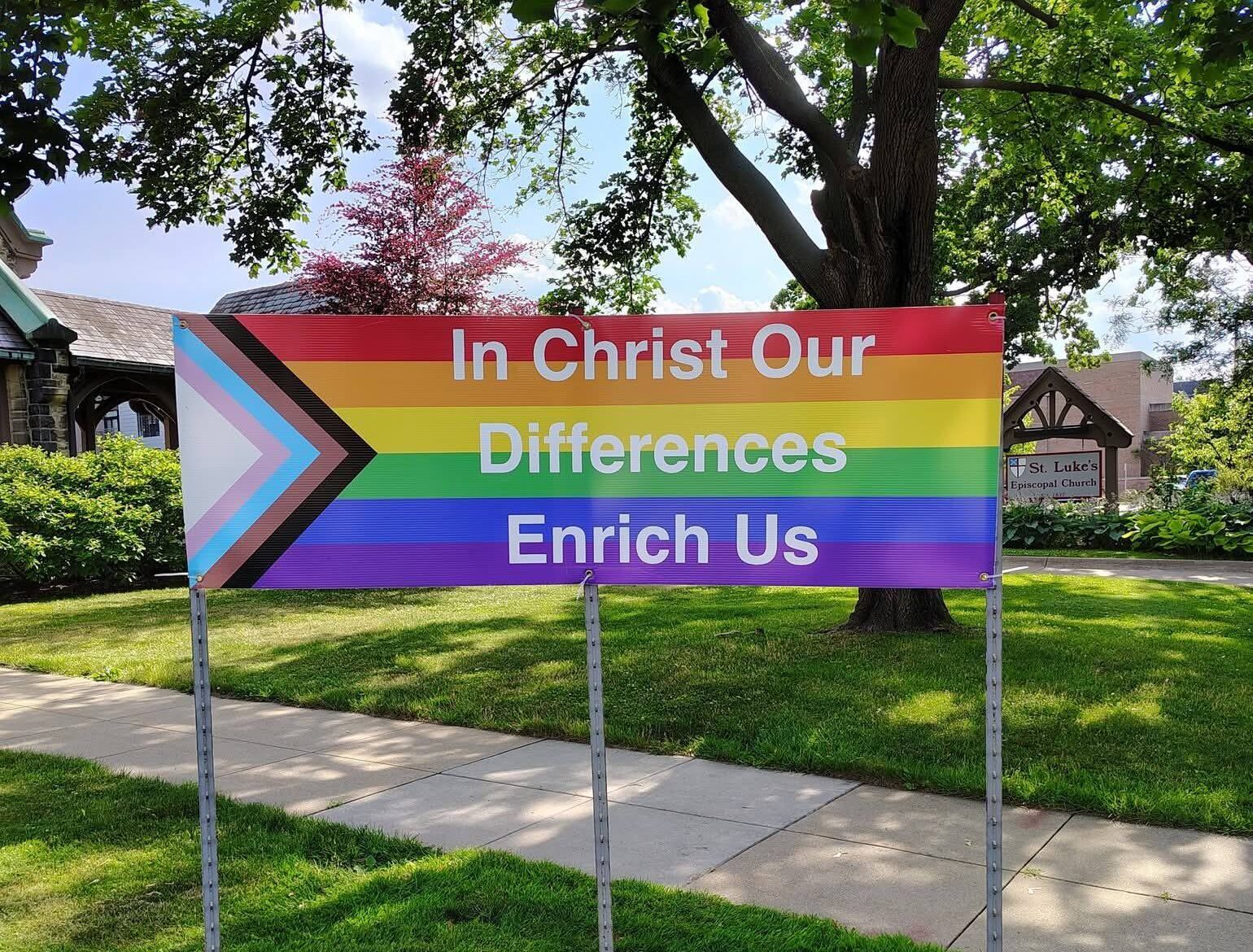
Spirituality in Action
St. Luke’s Episcopal Church
Sunday Activities
- Sunday: 8am Rite I Worship – in the church
- Sunday: 10am Rite II Worship – in the church and online
- Nursery is available for infants – age 4 during the 10am service – on the first floor across from the library
- Children’s Spiritual Formation after the 10am service for kindergarten – grade 5 – on the third floor
- Adult Lively Faith Discussions / Presentations after the 10am service – in the fellowship hall
- Sunday: noon Children’s Choir Practice – in the choir room
Other Weekly Activities
- Tuesday & Thursday: 9am Morning Prayer – in the chapel
- Wednesday: noon Holy Eucharist – in the chapel and online
- Thursday: 5:30pm: Bell Choir Rehearsal – in the choir room
- Thursday: 7pm: Adult Choir Rehearsal – in the choir room
Office Hours
- Monday -Thursday: 9am-4pm
- Clergy by appointment

the clergy and vestry of St. Luke’s offer the following statement,
and encourage ongoing prayer.
Public Executions: A Severe Moral Error
Today a related yet different concern has arisen. It has been announced that our military plans to live-stream the firing squad execution of Nidal Malik Hasan on December 3, 2026. Hasan went on a November 5, 2009 shooting spree at Ft. Hood in Texas, killing 13 people and wounding 32 others. He was convicted in a military court-martial on August 2013 of 13 counts of premeditated murder and 32 counts of attempted premeditated murder. He was sentenced to death. Our laws requires the President, as Commander-in-Chief, to approve a military execution, which President Trump did on October 2, 2026.
In the Episcopal Church we hold strong beliefs but we do not assume that our scriptures, our traditions, or the actions of General Convention settle all debates or answer every question. You are free to hold your own opinion about whether or not Hasan should be executed. And without a doubt our care and compassion goes out to those who were wounded and those who had loved ones violently taken from them. About political and social positions and practices we may disagree, but in the religion of Christ extending compassion is never up for debate.
The Pentagon announced that it will live-stream the execution, but has not released plans for how that will be done. A firing squad will need to be trained as the last military execution by firing squad occurred in 1945. Further, Hasan is paralyzed and therefore wheelchair bound, which could affect firing squad procedures. All that being said, our concern is that making an execution public by live-streaming it cheapens moral discourse, resonates with terrible parts of our nation’s history, and is out of step with the example of Jesus Christ.
Relatedly, one of the worst parts of U.S. history was the public lynching of African Americans during the Jim Crow era (late 19th to mid 20th centuries). From 1877 to 1950 the Equal Justice Initiative estimates that there were over 3,900 lynchings in the United States. The NAACP estimates that by 1968 that number had risen to just over 4,700. The public nature of these lynchings ensured the fear and control that was necessary to maintain white supremacy. Most were executed without trial or good cause. Any public execution brings back the specter of this wicked portion of American history.
Finally, the idea of a public execution does not follow the example of Jesus. In John 8:1-11. The Scribes and Pharisees come to Jesus who is teaching in the Jerusalem Temple. They present to him, in the view of everyone, a woman caught in adultery. Who or where the man participating in that adultery is we are not told. This omission is significant because the Torah actually says, “If a man commits adultery with the wife of his neighbor, both the adulterer and the adulteress shall be put to death” (Leviticus 20:10). Hoping to catch Jesus disregarding the Law, these Scribes and Pharisees ask for Jesus’ judgment on stoning her to death.
Being in the Temple, this action is decidedly public. Not that they would stone someone in the Temple, but judging her there means that many of the people would follow them outside for the execution. At that time, Israel did not have courtrooms. Instead, the elders of the community would hear the case and pass judgment. So the fact that Scribes and Pharisees are the ones asking makes this a judicial event, as does seeking a judgment on execution.
Being left with no accusers, the woman is now ineligible for the death penalty. Jesus tells her, “Go your way, and from now on do not sin again.” In this story, Jesus does not deny her sin but directs her not to do it again. He also takes decisive steps to stop a public execution from happening. Further, besides his own execution, this is the sole execution on which he is asked to make a legal ruling. His legal ruling includes not having a public execution, or any execution at all.
Based on this Gospel story, we do not believe that Jesus supports public executions. This story participates in the overall Gospel call to mercy and forgiveness. The Gospel of Jesus Christ, together with the psychological impact on some of the public and the wicked American history of race-based public lynchings, leads us to only one conclusion. Public executions are a severe moral error in which our nation should not participate. We pray that the Pentagon will forgo live-streaming any execution. If the Pentagon does live-stream the execution, we pray none of you will watch.

Upcoming at St. Luke's

Latest Sunday and Wednesday Services

Permission to reprint, podcast, and / or stream the music in the services posted obtained from ONE LICENSE with license #A-723320. All rights reserved.
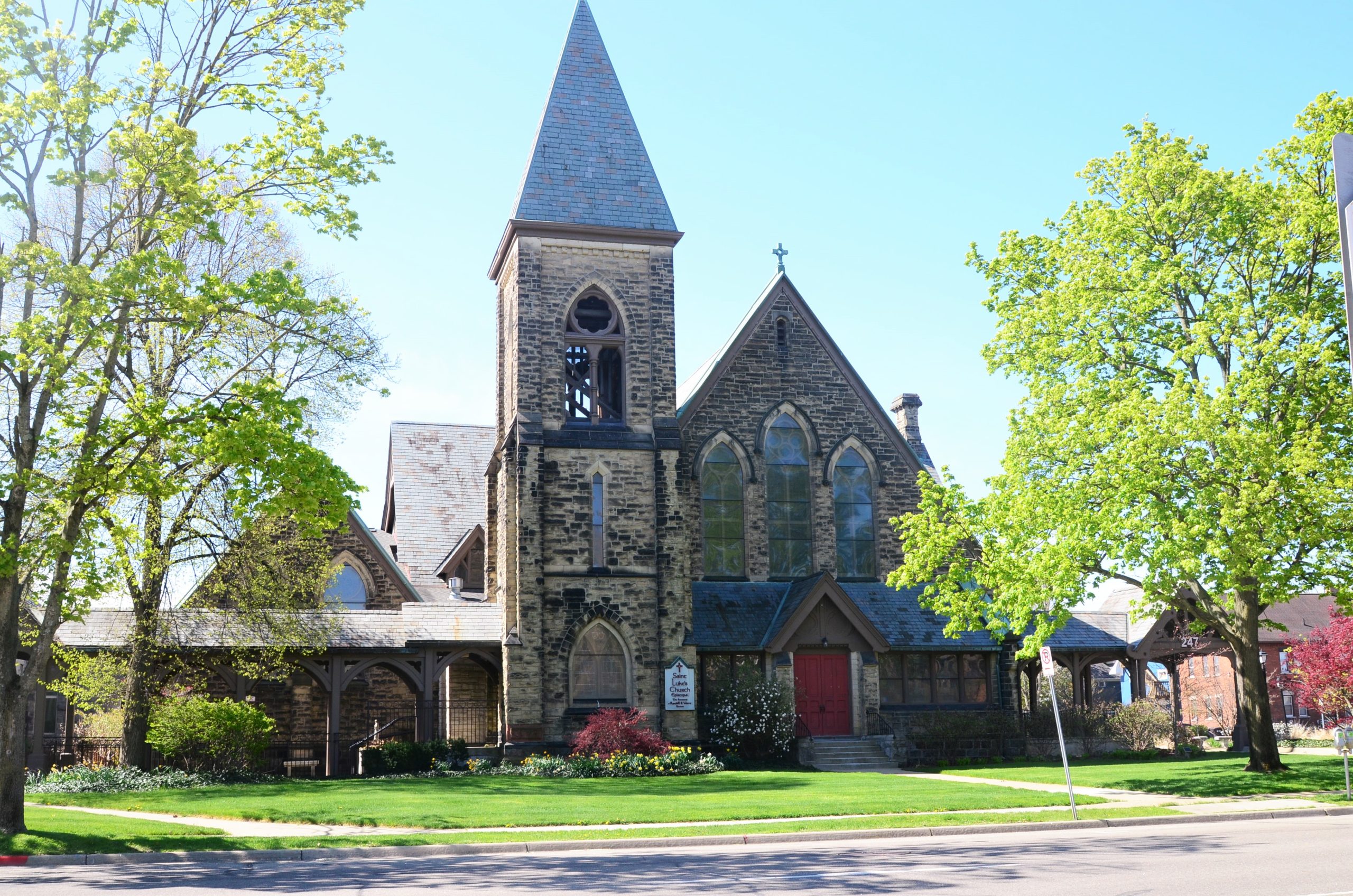
Welcome
Jesus welcomes everyone to the table—so do we
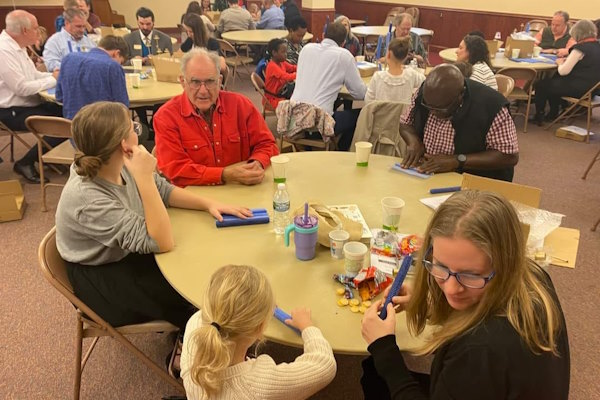
Spiritual Formation for All Ages
Learn about our many programs for lifelong Christian formation

Spirituality in Action
All our events are designed to feed the human spirit with the love of Christ
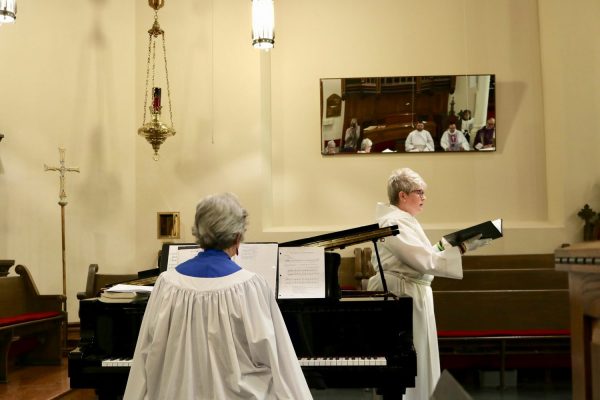
Our Music Ministry
Learn about our soul inspiring music ministry
Evening Devotions
Periodic evening prayer services enrich our devotional life

55 & Better Ministry
Learn more about 55 & Better Ministry